Artificial intelligence is changing how we work, learn, and socialize.
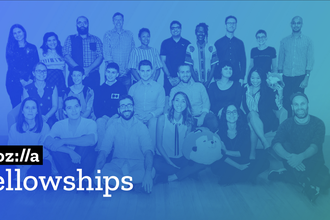
With the potential for this technology to perpetuate individual and collective harms, action from consumers is needed to pressure companies to change their practices. Over the past year, this has been an important focus of our movement-based approach to making AI more trustworthy. A key component of Mozilla’s approach to mitigating harms and imagining new pathways is through supporting Mozilla fellows, who are creating new ways to hold platforms to account on behalf of consumers and fuel the movement for internet health.
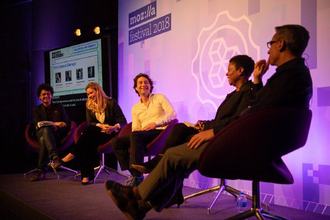
MozFest's Dialogues & Debates will take place March 8 through March 18, covering topics from AI upending labor rights, building better data stewardship models and much more. Here's what you can expect.
There are ways to stop dynamic pricing from making groceries and tickets more expensive online. Follow our step-by-step guide to protect your privacy and bypass surveillance pricing today. Our tech experts has 4 steps for you to follow.
We tested six popular period and ovulation tracker apps to find out how they handle your private health data. Our privacy expert Shoshana Wodinsky did hands-on testing of 6 popular period tracking apps: Euki, Clue, Flo, Period Calendar, Planned Parenthood’s Spot On, and Stardust. Our testing found one app that stood out from the rest.
Read our end of year feature story. We interviewed 4 people around the world for which 2025 was their first year on the internet: from their favorite websites, to what they liked and disliked about the internet. Here are their stories from New Delhi, New York, Mitu, and Lagos.
Door Severin Matusek, Nick Houde and Paloma Moniz15 oktober 2025
The grand idealism of the free and open internet might be over for now, but in its place falls a more practical mindset. Just like Silicon Valley’s entrepreneurs are entering their “Hard Tech” era, the people building web alternatives are also entering their Post-Naive Era. Here are the names to know.
Mozilla Foundation and the Mellon Foundation invite U.S. faculty teams to apply for the 2026 Responsible Computing Challenge. Grants of up to $125,000 will support innovative, interdisciplinary curricula that connect computing, STEM, humanities, and social sciences around themes of Subversion, Imagination, and Insignificance.
A lack of basic data around most viewed content on social media makes it harder to understand how these platforms are influencing society and to monitor harmful content in a timely way. That's why researchers are making a request for a 'birds eye view' dataset of top 1,000 most seen social media posts.