Artificial intelligence is changing how we work, learn, and socialize.
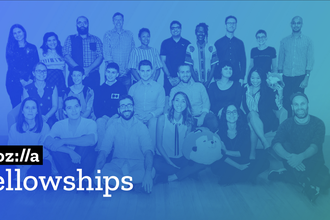
With the potential for this technology to perpetuate individual and collective harms, action from consumers is needed to pressure companies to change their practices. Over the past year, this has been an important focus of our movement-based approach to making AI more trustworthy. A key component of Mozilla’s approach to mitigating harms and imagining new pathways is through supporting Mozilla fellows, who are creating new ways to hold platforms to account on behalf of consumers and fuel the movement for internet health.
Read our privacy expert's review of the messaging app iMessage. Apple’s “private” alternative to SMS is the default text handler for iOS, so it comes bundled with every iPhone. It’s certainly more secure than sending a text over the phone network.
The Green Screen Coalition recently announced the awardees for the Catalyst Fund, one of the first explicit attempts to invest in and support practitioners at the intersection of climate justice and digital rights.
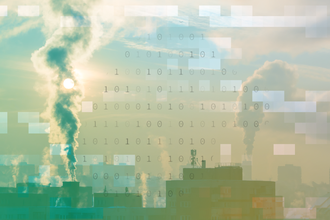
AI both reflects and amplifies the systems of power and privilege that birthed it, creating a fast-widening gap between those who design it and those who are subject to it. One of the places that gap looms largest globally is in environmental impact.
Mozilla research found that detection tools aren’t always as reliable as they say. Further, researchers found that large language models like ChatGPT can be successfully prompted to create more ‘human-sounding’ text