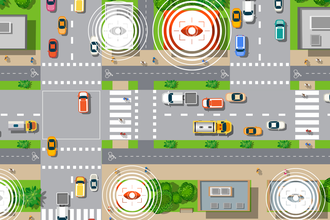
We’re calling on Amazon to make privacy the default. Their new product, Amazon Sidewalk, is a network that amplifies some of the company’s worst behaviors: surveillance, poor privacy, and troubling law enforcement partnerships.
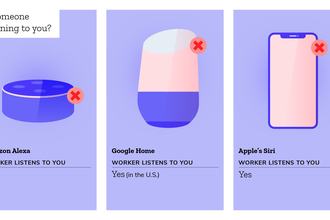
For many, the start of a new year is a time for kicking old habits and making room for new ones. It’s also a popular time for giving and receiving tech gifts that empower these habits and hobbies, from Google Home to Fitbit.
There may be just one brand name on the box, but when you speak to a smart home assistant or jog with a fitness tracker, you’re interacting not with a single technology, but with a number of deeply connected technologies that may also be manufactured and maintained by different companies. In the design of any smart device there are decisions about five key components that will have lasting impact on the privacy, security, interoperability and sustainability of the product — and therefore also on the wider ecosystem of the Internet of Things (IoT).