Mozilla’s Common Voice project was recently certified as a Digital Public Good (DPG) for its work, crowdsourcing speech data for 87 global languages and releasing it as open datasets for innovation.
This section provides a set of preliminary recommendations for businesses, governments, regulators and other key stakeholders, to ensure that personalised pricing never undermines consumer welfare, and to take the first steps towards building a fairer and safer online marketplace, that consumers can trust. It concludes by outlining further opportunities for research into personalised pricing.
The following section introduces a current case study focused on an online dating platform, Tinder. It outlines the choice of focus for this study, and details the scope and methodology. We then present the results of the study, which includes prices quoted for Tinder Plus in six countries, and consumer attitudes towards personalised pricing more broadly.
For the internet to reach its full potential, we need public servants who stand for principles like openness, competition, and trust online. Alan Davidson and Gigi Sohn are exactly those kinds of public servants.
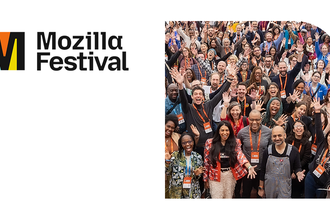
Join MozFest 2026 — the global AI policy summit, digital rights event, and open source festival for a healthier internet. Sign up now for updates and early access.
Mozilla's Data Futures Lab is an experimental space for instigating new approaches to data stewardship challenges. It provides funding and scaffolding for collaboration, convening around emerging ideas that give greater control and agency to people.